Cheese Pizza Boulder, Colorado: A Guide to Crispy Crust and Melty Cheese
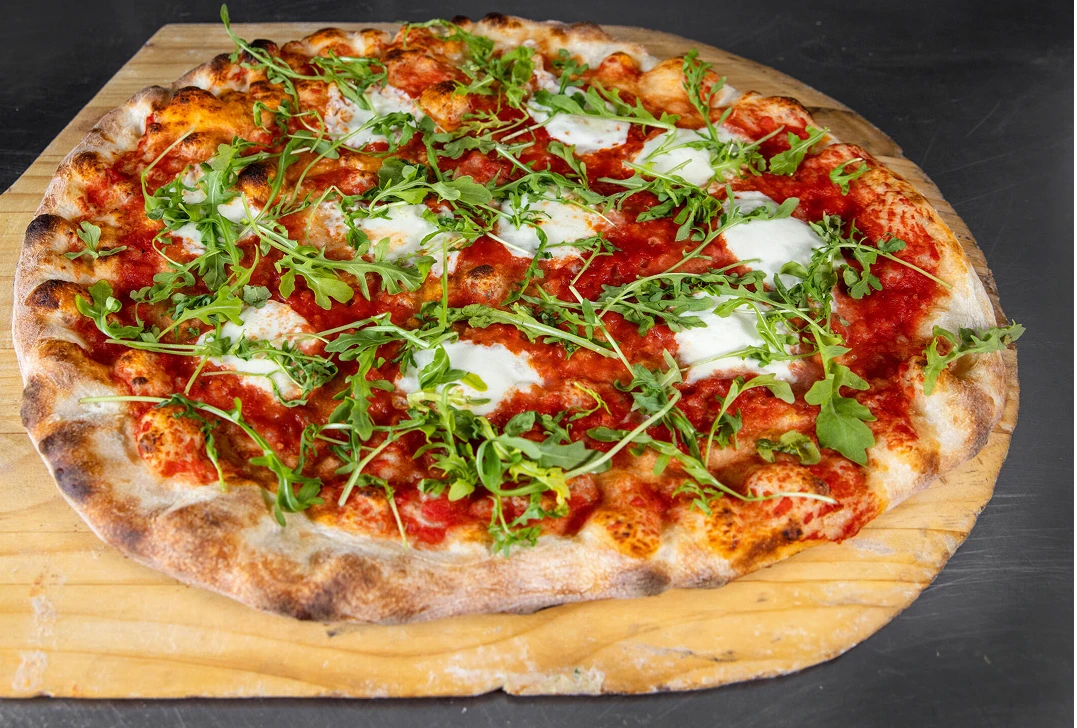
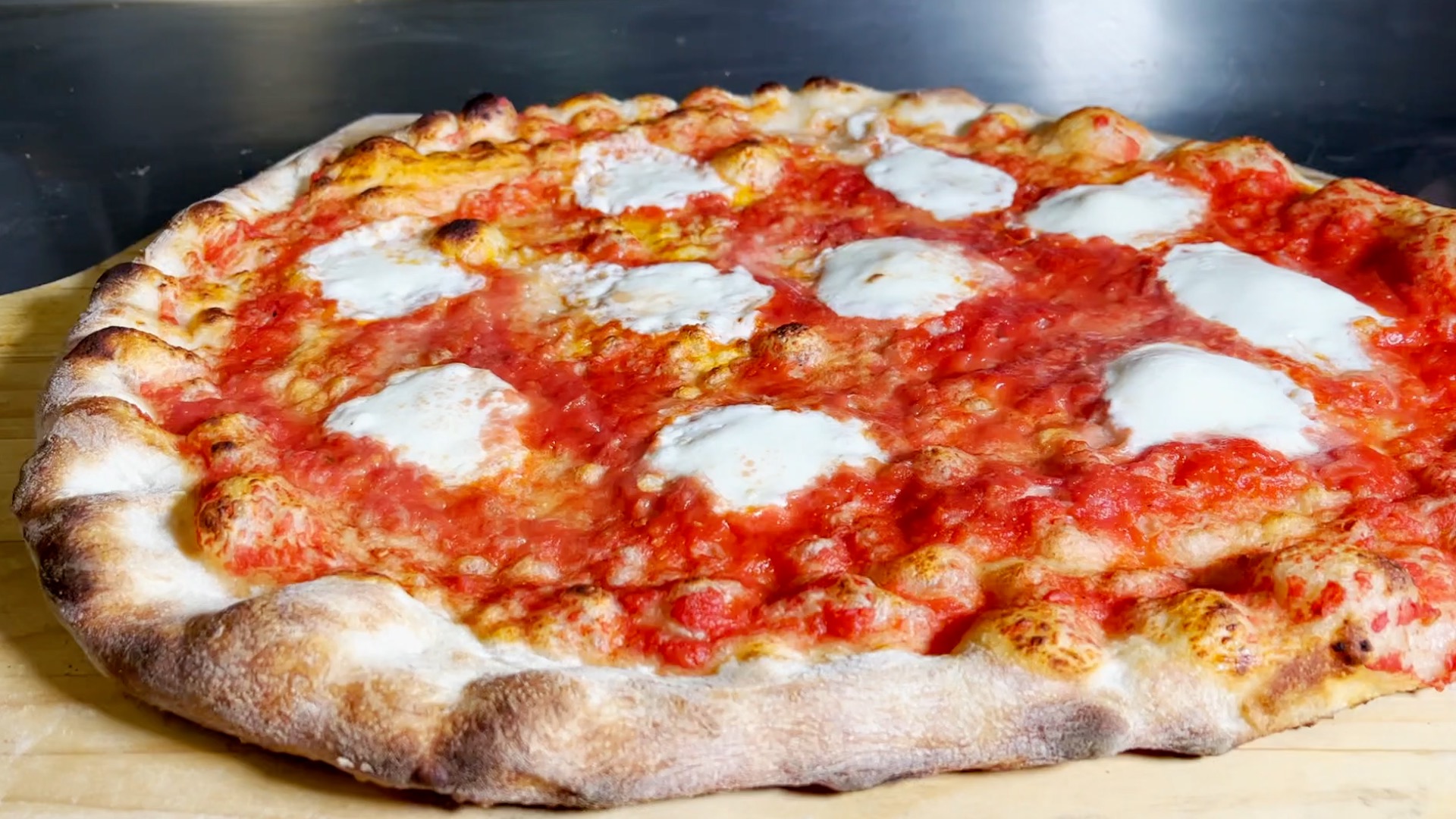
Boulder is one of those towns where food conversations can turn oddly specific, fast. Ask where to get a burger and you will get opinions. Ask where to get a taco and people start comparing tortillas. Ask about pizza, especially plain cheese pizza, and the room divides into crust loyalists, sauce skeptics, and people who insist the right slice should fold but never flop. That level of scrutiny is useful, because cheese pizza is the truest test of any pizzeria. Without pepperoni, sausage, hot honey, or roasted vegetables to hide behind, every choice is exposed. The dough has to carry flavor. The sauce has to taste fresh and balanced. The cheese has to melt evenly, stretch cleanly, and brown just enough to deepen its flavor without turning oily.
For anyone looking for Cheese Pizza Boulder, Colorado, the search is less about finding a place that serves it and more about finding a place that gets the fundamentals right. Boulder has enough variety to make that interesting. You can find pies with a classic East Coast sensibility, wood-fired versions with leopard-spotted edges, and sturdier pan styles with caramelized cheese around the rim. They all count. They just scratch different itches.
A good cheese pizza sounds simple. It is not. The difference between forgettable and excellent often comes down to small technical decisions made hours before the pie hits the oven.
Why the plain cheese pie tells you everything
Toppings create noise. Cheese pizza creates clarity.
When I want to judge a pizza shop, I almost always start with the plain slice or the standard cheese pie. It reveals whether the shop knows how to ferment dough long enough to develop flavor. It shows whether the oven is hot enough to crisp the bottom before the cheese overcooks. It makes the sauce impossible to ignore. If the tomato tastes flat, metallic, too sweet, or heavily seasoned, there is nothing on top to distract you from it.
Cheese itself is another giveaway. A lot of pizzerias use low-moisture mozzarella, because it melts predictably and browns well. Some blend it with provolone for a little extra tang. Others add fresh mozzarella for creamy pockets and a softer finish. All of those choices can work, but they behave differently. Low-moisture cheese gives you that familiar pull and those browned freckles many people associate with a classic slice. Fresh mozzarella has a richer milk flavor, but if it is not managed carefully it can release too much water and leave the center soupy.
That matters in Boulder, where diners tend to be detail-oriented and where restaurants often pride themselves on ingredient quality. A cheese pizza here is rarely treated as an afterthought. At the better spots, it is the baseline order that proves the kitchen has discipline.
What “crispy crust” really means
People use the word crispy loosely. One diner means cracker-thin and rigid. Another means a slice with enough structure to hold itself straight at the tip. Someone else just means the bottom is not pale and limp. In practice, a good crispy crust usually balances three separate textures.
First, the underside should be dry and lightly blistered, with enough color to suggest real contact heat. If the bottom is uniformly white or blond, the pizza probably came out before the dough had time to set. That is when slices sag, and when melted cheese slides off in one sheet on the first bite.
Second, the outer rim should have contrast. Even on a thinner pie, the edge should crackle faintly before giving way to an airy interior. The best crusts are not hard all the way through. They have a shell and a cushion. That contrast is what makes repeated bites satisfying instead of tiring.
Third, the center has to stay coherent. Some softness is fine, even desirable, especially on New York-inspired pies. But “soft” and “wet” are not the same thing. A center that bends gracefully is one thing. A center that collapses into your wrist is another.
Boulder’s dry climate changes the equation in subtle ways. Dough can skin over faster if it is not handled carefully. Flour behaves a little differently in storage and during mixing. That does not make great crust harder to produce, but it does reward kitchens that pay attention. In mountain-adjacent towns, baking is always a little more technical than it first appears.
The cheese has to melt, not just cover
A lot of people think of cheese as the easy part. It is not. It is the most visible part of the pie, and one of the easiest to get wrong.
A strong cheese pizza has coverage without smothering. Too little cheese, and the sauce dries out or dominates. Too much, and the pie turns heavy, greasy, and oddly one-note. You stop tasting tomato, wheat, and char. You taste molten fat and salt. There is a place for that, especially at midnight, but it is not balance.
The best melty cheese has elasticity and restraint. It stretches when you pull a slice away, then breaks cleanly rather than trailing halfway across the table. It glistens, but does not pool orange oil in every low spot. It browns in patches, because browning adds a deeper, almost nutty edge to the flavor. But if the whole top is dark and leathery, the pie has crossed from melted to overworked.
Texture changes as the pie cools, which is why the first three minutes matter so much. Right out of the oven, cheese should settle into the sauce and crust without sliding. Around the five-minute mark, a really good pie often eats even better. The structure firms up slightly, the flavors become easier to distinguish, and you can taste more than heat. That is a useful trick for judging a place honestly. If a pizza only works while it is piping hot, it may not be that good.
Boulder styles worth knowing before you order
Part of the challenge with Cheese Pizza Boulder, Colorado is that there is no single house style for the town. Boulder is eclectic, and its pizza scene reflects that. Knowing what you want before you walk in helps.
A New York-style slice is usually the safest benchmark if your priorities are foldability, balanced sauce, and a crisp-but-supple crust. This is the pie most people picture when they think “cheese pizza.” It should have enough chew to remind you it came from real dough, not enough to feel bready.
Wood-fired or Neapolitan-leaning pies are a different experience. They cook fast, often at very high heat, which gives the rim dramatic blistering and the center a softer set. These pizzas can be beautiful, but they are not always what people mean when they say crispy. If your personal standard is a firm bottom and a sturdy slice, a delicate wood-fired pie might read as underdone even when it is not.
Pan pizzas and thicker styles bring their own pleasures. When done well, the crust fries slightly where it meets the pan, creating a golden, almost buttery edge. Cheese can caramelize against the metal and form crisp, savory corners. That is not the same thing as a classic thin cheese pizza, but on the right day it can be exactly what you want, especially when the weather turns cold.
There is also the matter of by-the-slice versus whole pies. Slices give you convenience and speed. Whole pies generally give you a better read on the shop, because they are baked for your order instead of reheated. Reheated slices can still be excellent if the shop knows how to revive them, but they are not always the fairest way to judge the kitchen.
Reading a pizza before the first bite
You can tell a lot from the box opening.
Look at the rim first. A pale, smooth crust with no blistering usually signals low heat or rushed baking. A little char is good. Excessive char that turns bitter is not. Then look at the cheese distribution. If all the cheese has migrated toward the center, the bake or handling may have been sloppy. You want relative consistency, even if there are natural variations.
The underside matters even more. Lift the tip of a slice and check the bottom. It should show color, not raw flour and not a patchy, steamed look. A mottled golden brown is a very good sign. Blackened spots are fine in moderation, especially in hotter ovens, but the overall base should still read as baked rather than burnt.
Finally, notice the aroma. Great cheese pizza smells layered. You should catch toasted dough, sweet-acidic tomato, and warm dairy notes. If the dominant smell is just oil, something is out of proportion.
These are small observations, but they save disappointment. They also explain why two pies that use similar ingredients can eat so differently.
Sauce is the quiet force holding it together
Cheese pizza conversations often revolve around crust and cheese, but sauce decides whether the whole thing tastes alive. A well-made tomato sauce gives the pie its center of gravity. It should cut through the richness of the cheese and wake up the crust.
Good pizza sauce does not need to be complicated. In fact, it often suffers when someone tries to force complexity into it. Too much garlic can make every bite sharp. Too much oregano can flatten the tomato. Too much sugar can leave the pie tasting like pasta sauce on bread. The best versions taste bright, slightly sweet from the tomatoes themselves, and seasoned just enough to support the fruit.
This is where Boulder’s ingredient-conscious dining culture can really work in a pizza’s favor. Kitchens that care about produce tend to understand freshness Cheese Pizza Boulder, Colorado and restraint. The danger, oddly enough, comes when a restaurant wants to overperform. Pizza sauce is not where you show off ten spices and a family secret. It is where you create lift.
If you ever wonder why one cheese pizza feels balanced and another feels tiring after two slices, sauce is often the answer.
When a crispy pie goes wrong
Most bad cheese pizza fails in predictable ways. The dough is underproofed, so the crust tastes flat and bakes up dense. The oven is not hot enough, so the bottom dries out before it crisps. The sauce is overapplied, turning the center into a wet layer that the dough cannot support. The cheese is excessive, or low quality, or both, and the top breaks into an oily sheen.
There is also the problem of timing. Pizza does not like to wait. A pie that sits boxed for fifteen or twenty minutes starts steaming itself. The crust softens, the cheese congeals, and the whole thing loses definition. That is not always the restaurant’s fault. Delivery creates trade-offs. If your priority is maximum crispness, eat in or pick up and open the box as soon as you can.
I have had pies that looked fantastic on the pass and arrived at the table ten minutes later with a softened center because they sat under too much residual heat. I have also had modest-looking cheese slices that turned out excellent because the shop understood pacing and got them to the customer fast. Pizza is more perishable than many people realize. It peaks in a narrow window.
How to order if crispness matters most
If you care deeply about the crust, it helps to order like someone who understands the kitchen’s constraints. That does not mean being difficult. It means knowing which requests are reasonable and which accidentally sabotage the pie.
Asking for a well-done bake is often fair game, especially on a cheese pizza. It can add a touch more color to the crust and better set the cheese. Asking for extra cheese while also wanting a dry, crisp center is harder to pull off. So is requesting multiple wet toppings and then being surprised by softness. Even on a plain pie, carryout timing affects texture more than people expect.
A few practical moves improve your odds:
- Order the standard cheese first, before experimenting with modifications.
- If the shop allows it, ask for the pie a little well done rather than overloaded.
- Eat on site when possible, or open the box quickly after pickup.
- Avoid stacking hot boxes or leaving the pizza in a closed car for long.
- Reheat leftovers in a skillet or oven, not a microwave.
That last point matters. A microwave turns crust rubbery almost immediately. A skillet with a lid, or a hot oven for a few minutes, revives the bottom and wakes the cheese back up without overcooking it.
The Boulder factor: altitude, appetite, and expectations
Boulder is not a one-note dining town. You have students grabbing slices between classes, families ordering whole pies for an easy weeknight dinner, athletes looking for a post-ride carb load, and longtime locals who know exactly how they like their crust. That range shapes what pizza shops try to be.
Altitude enters the conversation whether a restaurant mentions it or not. Baking at elevation changes moisture loss, fermentation feel, and often the pace at which dough behaves. Skilled pizza makers adjust constantly. They tweak hydration, monitor proofing more closely, and make peace with the fact that dough is never exactly the same from one day to the next. If you have ever wondered why one day’s pie from the same shop feels airier or crisper than the last, natural dough variability is part of the story.
Customer expectations in Boulder can also run high in a good way. People notice ingredient quality. They care about local sourcing. They are willing to pay more if the product tastes thoughtful and clean. The challenge for pizzerias is that pizza also needs to satisfy on a gut level. It cannot just be virtuous. It has to be craveable. No one orders cheese pizza because it is conceptually interesting. They order it because they want comfort with backbone.
The best Cheese Pizza Boulder, Colorado tends to meet both standards. It feels crafted, but never precious. You can analyze it if you want to, but you can also just demolish two slices standing up.
Pairing matters more than people think
Cheese pizza is flexible, but not neutral. The wrong drink can flatten it. The right one sharpens everything.
Cold sparkling water is underrated because it clears the palate and lets you taste the crust. A crisp lager works for similar reasons. If you prefer wine, something with bright acidity usually plays better than anything heavy or tannic. Rich reds can bully a plain cheese pie, especially if the sauce is delicate.
Even the side order changes the experience. A heavily dressed salad can make a subtle pizza taste muted. A simple bitter green salad, lightly dressed, often makes more sense. Garlic knots are fun, but pairing dough with more dough can turn the meal into a texture echo unless the pizza itself is very light.
These are not rules, just patterns I have seen hold up. Cheese pizza is simple enough that context shows.
If you want to make it at home after eating around town
Spending time with good pizzerias tends to ruin average homemade pizza, at least for a while. Then it teaches you what to chase. If Boulder’s pizza scene sends you back to your own kitchen inspired, focus on the same fundamentals the pros do: dough fermentation, heat, and restraint.
Home ovens rarely match dedicated deck ovens, but you can still get excellent results with a preheated steel or stone and enough patience. Most home cooks pull pizza too soon. They fear burning the cheese and end up serving a blond, floppy pie. Better to build a pie that can withstand a stronger bake. Use less sauce than you think you need. Dry your fresh mozzarella if you use it. Let the dough ferment long enough to develop flavor. Cheese Pizza Boulder, Colorado A day or two in the refrigerator does more for crust character than most toppings ever will.
One of the more useful lessons from eating cheese pizza around Boulder is that “artisan” does not mean overloaded. A handful of good ingredients, applied with control, nearly always beats excess. That is as true at home as it is in a restaurant.
What separates a memorable slice from a merely decent one
A decent cheese pizza fills you up. A memorable one leaves a clear sensory imprint. You remember the sound of the crust when you bit into the edge. You remember the way the cheese browned in little islands. You remember that the sauce tasted like tomato instead of generic red seasoning. And you remember that each element stayed distinct even while working together.
That last point is the hardest to explain and the easiest to feel. Great pizza is integrated, but not blurred. Crust should taste like bread with character, not just a platform. Cheese should taste like dairy, not a salt blanket. Sauce should brighten the bite, not soak it. When a pie gets all of that right, plain cheese becomes more than a default order. It becomes the thing you wanted all along.
That is why searching for Cheese Pizza Boulder, Colorado can be so rewarding. It asks you to pay attention to the basics in a town that tends to appreciate craft. If you love a crisp bottom, a balanced rim, and cheese that melts with purpose instead of excess, Boulder gives you enough range to be picky. And with pizza, being picky is half the fun.
Brooklyn Pizza
Address: 1647 Arapahoe Ave, Boulder, CO 80302
Phone number: +17203282324
FAQ About Cheese Pizza Boulder, Colorado
What is usually on a cheese pizza?
A standard cheese pizza consists of a yeast dough crust, a seasoned tomato-based sauce, and melted mozzarella cheese.
What is a cheese pizza called?
A basic cheese pizza is simply called a cheese pizza, a plain pizza, or a plain pie.
What is the best recipe for cheese pizza?
The best cheese pizza recipe uses high-heat baking, a simple raw tomato sauce, and a mix of low-moisture and fresh mozzarella cheese on a homemade yeast dough.