Cheese Pizza in Boulder, Colorado: Tips for First-Time Visitors
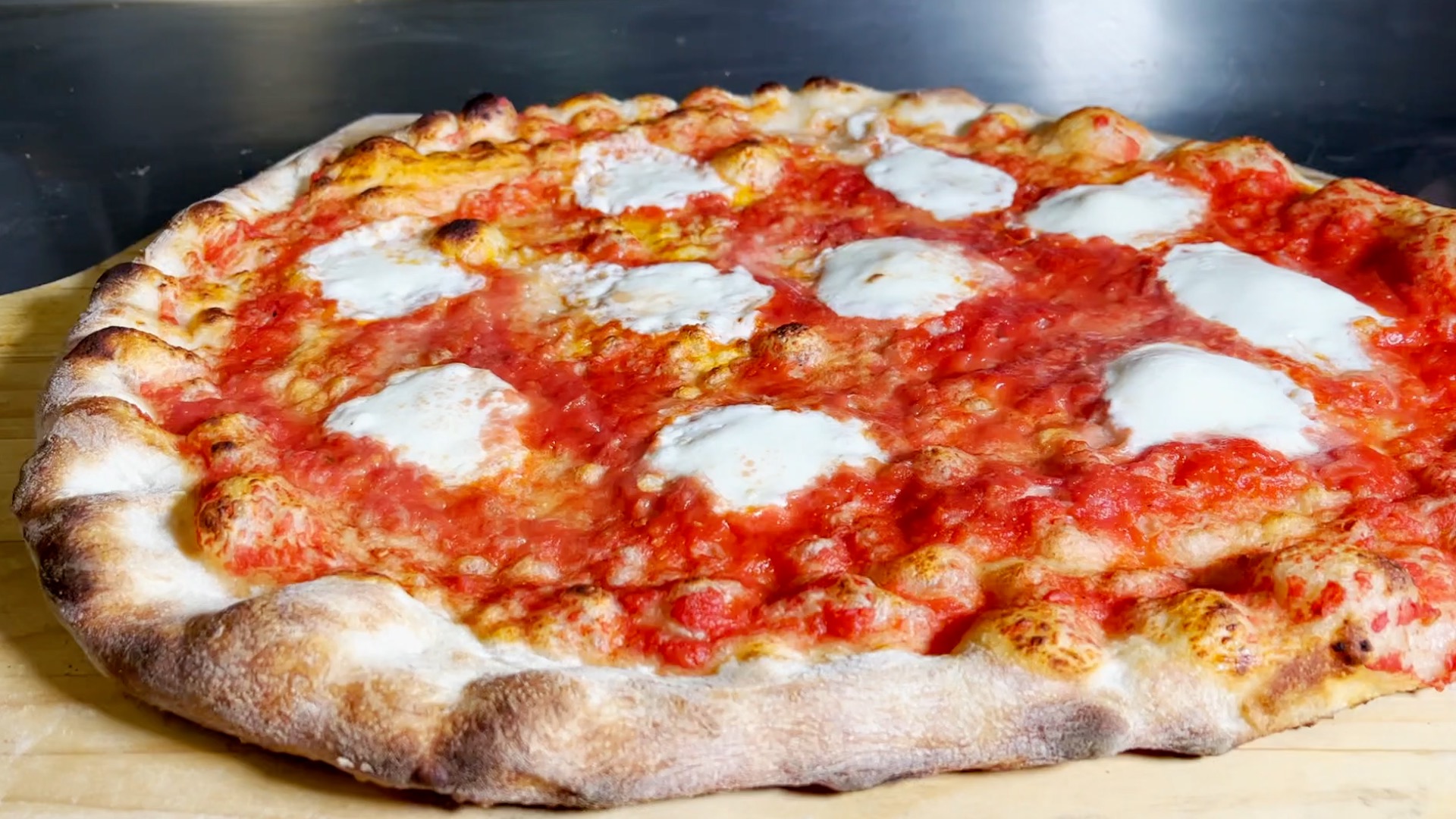
Boulder has a way of making simple food feel oddly consequential. Maybe it is the altitude, maybe it is the outdoor culture that sends people back into town ravenous, or maybe it is the local habit of taking ingredients seriously. Whatever the reason, a basic cheese pizza in Boulder, Colorado can be much more revealing than visitors expect. Order the plain pie, and you find out quickly which kitchens understand dough, heat, timing, moisture, and restraint. There is nowhere to hide behind sausage, hot honey, or a blizzard of toppings.
That is why first-time visitors should not treat cheese pizza as the fallback order. In Boulder, it is often the sharpest way to read a pizzeria. A strong cheese pie tells you whether the crust was fermented with patience, whether the sauce has balance instead of raw acidity, and whether the mozzarella was chosen for melt and flavor rather than stretch alone. I have eaten pizza across college towns, mountain towns, and larger food cities, and Boulder stands out because its best pizza is shaped by a very specific local appetite. People here want food that is satisfying but not leaden, flavorful but not sloppy, and worth the price in a town where dining out is rarely cheap.
If you are visiting Boulder for the first time, especially if you are arriving from a lower elevation or from a city with a dominant pizza style, it helps to know what you are looking at. The local scene does not fit into one neat category. You will find New York influences, wood-fired spots, neighborhood shops, and restaurants where the pizza is only part of a broader menu. Cheese pizza becomes the common language among them. Start there, and you will make better decisions for the rest of your trip.
Why the plain pie matters more than tourists think
People often assume cheese pizza is the safe order for kids, picky eaters, or tired travelers. In reality, it is the most demanding order in the room. Toppings can cover a crust that baked a little pale or a sauce that runs too sweet. A plain pie exposes every shortcut. When you order a cheese pizza in Boulder, Colorado, you are evaluating the whole structure in a fairly pure form.
The crust is the first thing to notice. Boulder pizzerias often lean toward crusts Cheese Pizza Boulder, Colorado that have some character, either a crisp bottom, a moderate chew, or a blistered edge from a hotter oven. Completely limp slices are less common at places that care. The altitude can influence moisture and baking behavior, so experienced kitchens adjust their dough and bake times carefully. You do not need to understand the chemistry to taste the result. Good crust in Boulder tends to feel light for its thickness and dry enough underneath to support a folded slice or a clean bite.
Then comes the sauce. In a mountain town with health-conscious habits, you might think red sauce would be mild or restrained to the point of blandness. The better versions are not timid. They are simply balanced. You want tomato flavor that tastes alive, with enough salt and sweetness to round things out, but not so much sugar that it reads like jarred pasta sauce. On a cheese pie, sauce should support the dairy, not fight it.
The cheese itself is where local preferences become obvious. Many Boulder diners appreciate quality ingredients and clean flavors, so pizzerias that use a thoughtful mozzarella blend often stand apart. Some go for a creamier, milky finish. Others build a slightly saltier top with better browning. The key is proportion. Too much cheese turns the pie heavy and greasy, especially at altitude when people may already feel a little sluggish after travel, hiking, or a big lunch on Pearl Street.
Boulder is not a one-style pizza town
Visitors sometimes arrive expecting a single regional identity. Boulder does not really work that way. Its pizza culture is more mixed, which can be good news if you know how to navigate it. Instead of asking for “the Boulder style,” ask what experience you want.
A foldable, street-style slice scratches one itch. A wood-fired pie with leopard-spotted crust scratches another. Then there are neighborhood places where the appeal lies in consistency, family-friendliness, and a pie that tastes especially good after a long day outdoors. First-timers often make the mistake of judging all of these by the same standard. That can lead to disappointment. A wood-fired cheese pizza is not trying to behave like a classic New York slice, and a thicker neighborhood pie is not trying to mimic the delicate center of a Neapolitan-inspired round.
Boulder also attracts a steady mix of students, professionals, climbers, cyclists, and travelers. That audience shapes menus. You will see places that offer gluten-free crusts, vegan cheese, organic ingredients, and seasonal salads alongside classic pizza formats. Those options are useful, but they can distract from the baseline question. Before diving into specialty offerings, learn how the kitchen handles its standard cheese pie. If they do that well, the rest of the menu becomes more interesting.
What first-time visitors usually get wrong
The most common mistake is ordering at the wrong time and assuming the kitchen always performs the same way. Pizza can be one of the most timing-sensitive foods you buy in a restaurant. A pie pulled at 5:15 p.m. On a weekday may be crisper and more carefully assembled than one rushed out during the center of a Saturday dinner rush. Late-night slices can be satisfying in their own way, but they are not the best benchmark if you are trying to judge quality.
Another mistake is underestimating Boulder’s dining patterns. This is a town where weather and daylight matter. On sunny weekends, especially during hiking season or ski traffic, restaurants can get slammed at odd hours. You may find a pizza place relatively quiet at what would be prime dinner time in another city, then packed after sunset when people come down from the trails. If you are serious about trying a good cheese pizza in Boulder, Colorado, aim for a slightly off-peak window. You will often get a better bake and a calmer dining room.
Visitors also over-order. That sounds trivial until you are sitting there with a giant pie, a couple of local beers, and plans to walk around downtown afterward at 5,430 feet. Rich food can land differently when you are adjusting to elevation, especially if you have also been dehydrated from travel. A smaller pizza, or a shared pie with a salad, is usually the smarter first order. You can always add more.
Reading the menu like someone who has been there before
A menu tells you a lot before the pizza arrives. If the cheese pie is buried under a dozen novelty combinations, that may be a sign the restaurant sells excitement more than execution. If the menu gives a little space to ingredients, dough style, bake method, or cheese blend, that often reflects more care. Not always, but often.
Pay attention to how the house cheese pizza is described. “Fresh mozzarella” can mean a softer, wetter pie with a more delicate melt. “Whole milk mozzarella” often suggests a richer, more classic finish. A blend of mozzarella and provolone can bring extra savoriness. If the menu mentions a long-fermented dough or sourdough culture, expect more character in the crust, though not automatically a better pie.
The oven matters too. Deck ovens tend to produce a different bottom texture than wood-fired ovens. Gas-assisted or hybrid systems can create excellent results when managed properly. You do not need to quiz the staff like a food writer, but a simple question helps: “Is your cheese pizza more crisp and foldable, or softer and wood-fired in style?” Good staff can answer that in one sentence, and the answer will steer you better than any online ranking.
Where Boulder’s local habits affect the pizza experience
Boulder is casual, but not always cheap. Visitors sometimes get sticker shock, especially if they are comparing prices to larger cities with more competition. Ingredient costs, labor, rent, and local sourcing can all push menu prices up. That does not mean every higher-priced cheese pizza is worth it. It does mean you should judge value by the whole experience, not just diameter.
Service style also varies. Some places are fast-casual and efficient. Others feel more like full-service neighborhood restaurants. In a college town, staffing can shift seasonally, and service quality may vary depending on when students are in session. If you visit during a busy university weekend, patience helps. Kitchens that know their dough often draw lines.
Then there is the Boulder preference for customization. You will see plenty of options for dietary adjustments. If that matters to your group, it is genuinely useful. Still, if one person at the table can eat the standard version, I recommend ordering at least one regular cheese pie exactly as the house intends. Substitutions can change the moisture, browning, and overall balance enough that you are no longer tasting the restaurant’s core product.
A short checklist before you order
- Ask what style the house does best, rather than assuming every pizza shop aims for the same result.
- Order the plain cheese pie first if you want to judge quality honestly.
- Choose an off-peak time when possible, especially if you care about crust texture.
- Keep your first meal moderate if you are adjusting to altitude.
- Eat at least part of the pie fresh from the oven, not only as takeout twenty minutes later.
That last point deserves emphasis. Pizza changes quickly. A pie that leaves the oven crisp can steam itself into mediocrity in a box, especially in cooler weather when people carry it around downtown longer than they planned. If you really want to understand a place, eat the first slices on-site.
Dine-in, takeout, or delivery, the choice matters here
In Boulder, dine-in usually gives you the cleanest read on a cheese pizza. You hear the room, smell the oven, and eat the pie at the right temperature. That sounds obvious, but it is remarkable how often visitors rely on delivery after a day of sightseeing and then feel underwhelmed. Delivery can still be great, especially if you are staying nearby, but cheese pizza is unforgiving once trapped in a box.
Takeout sits in the middle. It works best if your lodging is close and you know how to handle the pie once you arrive. Open the box briefly if steam is building up. Do not leave it sealed on a soft bedspread while everyone finds plates. If you have access to an oven, a short reheat can revive the bottom better than a microwave ever will. These sound like small details. They are exactly the details that determine whether your memory of the meal is “excellent” or merely “fine.”
Boulder’s weather can play a role, too. Cold evenings pull heat from a pie fast. Summer storms can turn a quick pickup into an extended wait in the car. Even dry air affects how quickly exposed crust seems to stale. Locals account for these things without thinking. Visitors often do not.
What to notice when the pizza lands on the table
The first ten seconds tell you plenty. Look at the spread of cheese. Is it even, with some browning but not a greasy lake in the center? Is the sauce peeking through in places, or buried under a blanket? A good cheese pizza should smell toasty and dairy-rich, with tomato present but not dominant.
Then pick up a slice. If it droops straight down from the tip and sheds cheese immediately, the balance may be off. A little flexibility is fine. Complete collapse is not ideal unless the style specifically leans that way. Take the first bite from the point, not the crust. That gives you the clearest read on sauce, cheese, and bake. After that, chew the outer edge on its own. Great pizza shops make you want to eat every bit of crust without reaching for dips.
I pay close attention to the second slice. Many pizzas make a strong first impression and then lose charm fast. Maybe the salt level becomes tiring, or the cheese starts to congeal, or the crust reveals itself as dry rather than crisp. A truly good cheese pie keeps improving as you settle into it. That is part of what separates a thoughtful kitchen from one that mainly excels at immediate visual appeal.
Best times for first-timers to go
If you want a relaxed first experience, lunch or an early dinner often works well. Mid-afternoon can be a sweet spot in some areas, particularly if you are exploring Boulder between outdoor activities. You avoid the heaviest lines, and the kitchen is usually fully awake.
Game days, university events, festival weekends, and warm summer evenings can change the equation. The town fills quickly, parking tightens, and wait times lengthen. None of this means you should avoid pizza. It means you should be strategic. Put your name in early, or pick a place slightly away from the most obvious tourist corridor. Boulder is compact enough that a modest detour can improve your odds substantially.
Winter brings its own rhythm. On cold nights, a hot pizza feels especially right, but so does everyone else’s plan. During ski season, travelers passing through can create dinner spikes that do not show up on a generic map app. If a staff member tells you the wait is thirty minutes, assume that estimate may stretch.
If you are traveling with kids, dietary restrictions, or picky eaters
Cheese pizza is usually the peace treaty order when a group cannot agree, and Boulder is a good town for that kind of compromise. Most places can accommodate children without turning the meal into a logistical project. The challenge is that some more artisanal pies may read as “too fancy” for kids used to chain pizza, especially if the sauce is brighter or the crust has more char than they expect.
For dietary restrictions, Boulder is better equipped than many cities its size. Gluten-free crusts are common. Vegan cheese is easy to find. Vegetarian options are abundant. The trade-off is that alternative crusts and cheeses behave differently, sometimes dramatically. If someone in your group needs those adjustments, ask plainly how the texture changes. Staff who answer honestly are worth trusting. A crisp standard pie does not guarantee a crisp gluten-free one.
With picky eaters, the safest move is often to order one plain house cheese pizza exactly as designed, then add a second pie customized for the table if needed. That way you still get a fair sense of the restaurant while keeping everyone fed.
Pairing matters more than people admit
A cheese pie can feel either balanced or excessive depending on what you drink with it. Boulder has strong beer culture, and a lot of visitors instinctively reach for the hoppiest local IPA available. Sometimes that works. Sometimes it bulldozes the pizza. A bright pilsner, a clean lager, or even sparkling water with lemon often makes a better partner for a first cheese pie, especially if the sauce already has good acidity.
If you prefer wine, lean toward something with freshness rather than oak and weight. You want enough structure to meet the cheese, but not so much tannin that the pairing turns metallic. For lunch, even a simple iced tea can keep the meal feeling lighter.
This is also where altitude quietly enters again. Alcohol can hit harder in Boulder than travelers expect. If your goal is to spend the rest of the afternoon walking, shopping, or heading back out for a short hike, moderate choices make the meal more enjoyable.
How to judge value without obsessing over price
Pizza invites price comparison because it seems familiar. A tourist sees the cost of a cheese pie in Boulder and immediately compares it to what they pay back home. That instinct is understandable, but it can be misleading. Focus on what you actually receive. Did the dough taste developed? Was the cheese good quality? Did the pie arrive properly baked? Were portions sensible for the style? Did the restaurant deliver a meal you would gladly repeat?
A smaller, beautifully made cheese pizza may offer more value than a giant mediocre one. On the other hand, a lofty artisanal price tag does not automatically earn respect. Some places charge for vibe, location, or branding more than craft. The plain pie helps you sort that out quickly.
If you are trying to save money, lunch specials, happy hour slices, or a shared pie can make Boulder more manageable. Just remember that a slice operation and a whole-pie operation often perform differently. One excellent slice from a busy case can be a useful snack, but it is not always the same experience as ordering a fresh whole cheese pizza.
The small details that leave the strongest impression
What people remember from pizza trips is rarely just “the cheese was good.” They remember the crackle underneath the slice, the way the edge blistered, the smell of tomato and toasted flour when the pie hit the table, and the fact that they were genuinely hungry after a long walk near the Flatirons. Boulder is a place where context intensifies food. Sun, altitude, exercise, and cool evening air all sharpen appetite.
That is why first-time visitors should keep the meal simple enough to notice. Start with the cheese pizza. Let the kitchen show its hand. If the pie is excellent, then branch out on a second visit to mushroom, pepperoni, or seasonal combinations. If the cheese pizza is only average, at least you learned that quickly and honestly.
For travelers who care about food, there is a quiet pleasure in discovering that the plain option was the right one all along. In Boulder, where people often prize authenticity over excess, that feels especially fitting. A well-made cheese pizza in Boulder, Colorado can tell you a surprising amount about the town itself. It rewards attention, punishes shortcuts, and tastes best when approached without too much fuss. That is a useful lesson for visitors, and a satisfying meal besides.
Brooklyn Pizza
Address: 1647 Arapahoe Ave, Boulder, CO 80302
Phone number: +17203282324
FAQ About Cheese Pizza Boulder, Colorado
What is usually on a cheese pizza?
A standard cheese pizza consists of a yeast dough crust, a seasoned tomato-based sauce, and melted mozzarella cheese.
What is a cheese pizza called?
A basic cheese pizza is simply called a cheese pizza, a plain pizza, or a plain pie.
What is the best recipe for cheese pizza?
The best cheese pizza recipe uses high-heat baking, a simple raw tomato sauce, and a mix of low-moisture and fresh mozzarella cheese on a homemade yeast dough.