The Rise of Cheese Pizza in Boulder, Colorado
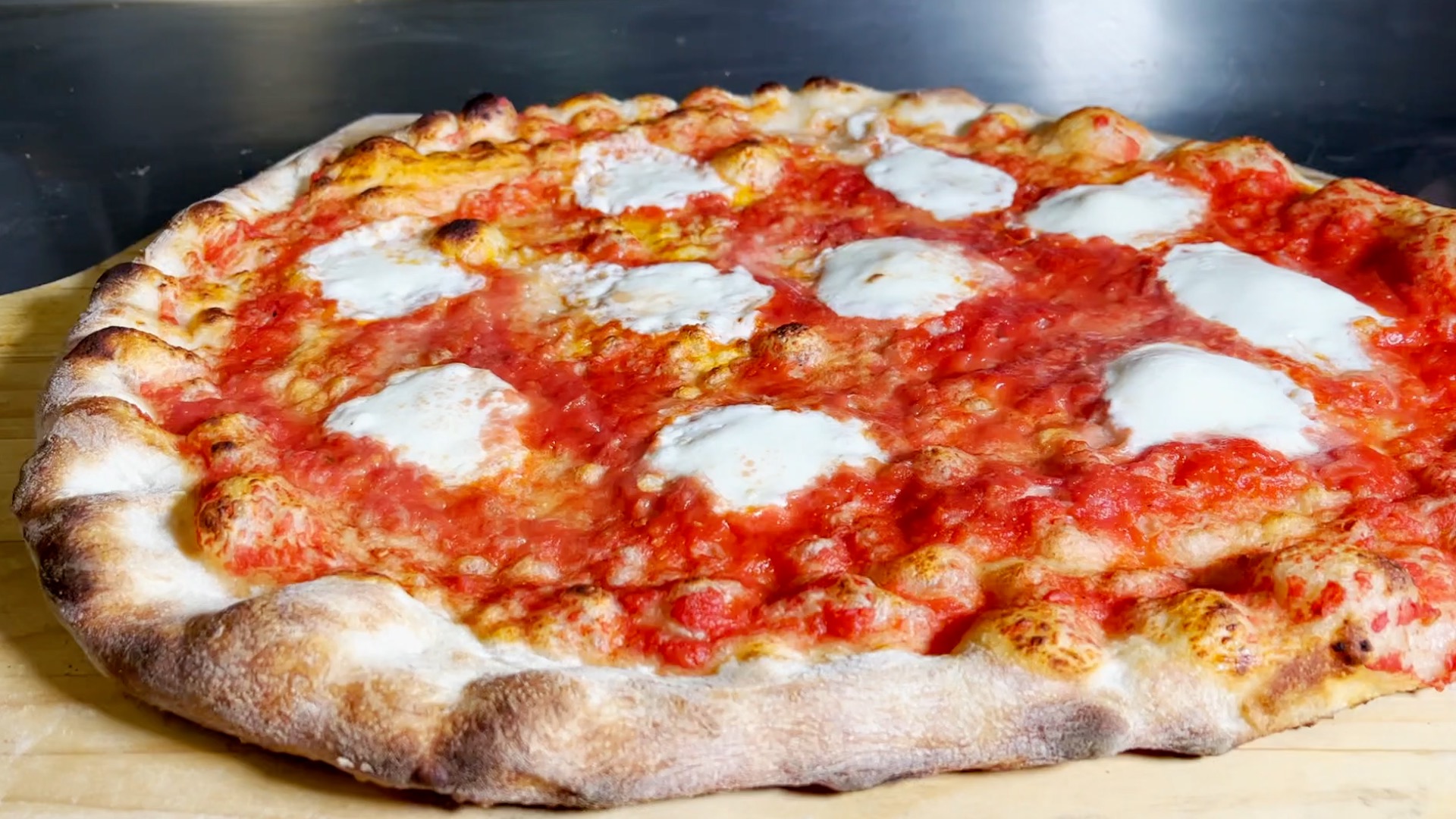
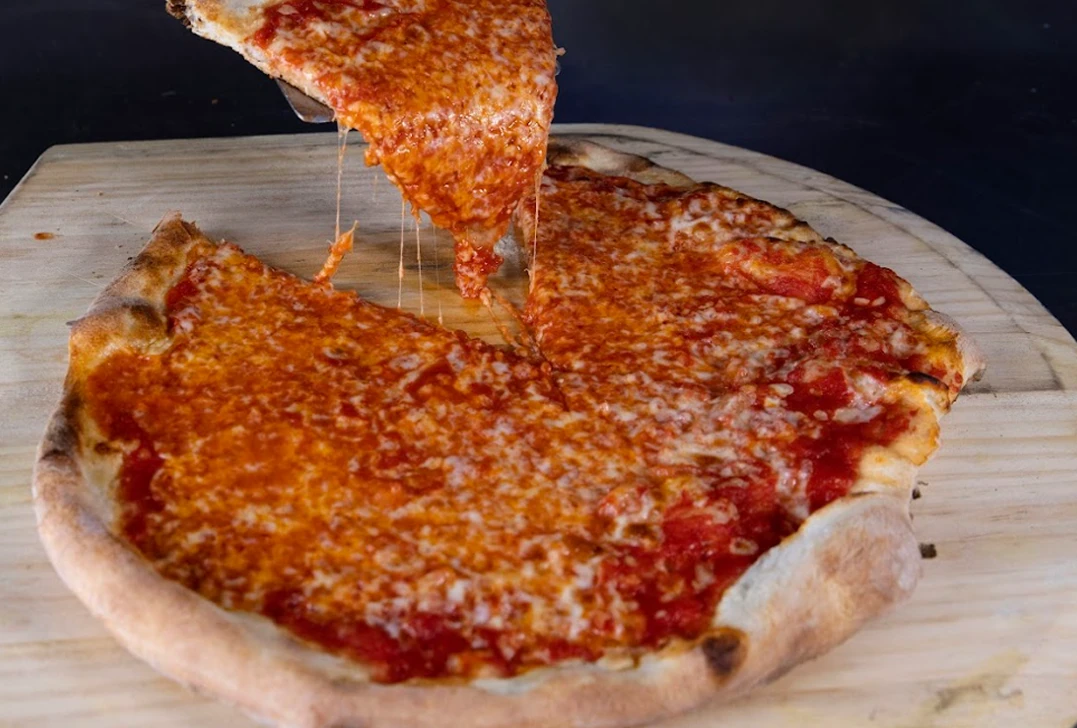

Boulder has never been a one-note food town. People often talk about its coffee culture, its breweries, its farmers markets, and its health-conscious menus, but the city’s pizza story deserves closer attention, especially the quiet ascent of a style that can seem almost too simple to discuss. Cheese pizza, once treated as the fallback order for picky kids, late-night students, or large groups unable to agree on toppings, has become something more serious in Boulder. It now serves as a kind of benchmark, the slice by which pizzerias prove their skill.
That shift did not happen by accident. It came from changing tastes, better ingredients, a maturing local restaurant scene, and a customer base that has become unusually fluent in the language of crust, fermentation, moisture balance, and cheese blend. In many ways, the rise of cheese pizza in Boulder, Colorado says as much about the city as it does about pizza itself.
Why a plain pie stopped being plain
Cheese pizza looks simple, but anyone who has spent time around a pizza oven knows it is one of the hardest pies to get right. Once toppings enter the picture, they can hide flaws. Pepperoni can distract from an under-seasoned sauce. Sausage can make a dry mozzarella layer feel richer than it really is. Vegetables can cover a crust that lacks depth. Cheese pizza offers no such protection. Every element is exposed.
That honesty is part of its appeal in Boulder. This is a town that tends to reward clarity, whether in food, craft beer, or coffee. Diners here often like to see technique without camouflage. A cheese pizza lets them judge the dough, the acidity of the tomato, the browning on the mozzarella, and the way the slice folds or resists. It has become a test case.
There is also a broader cultural reason. Over the past decade or so, Boulder’s food scene has moved toward ingredient-driven cooking even in casual settings. A basic dish is no longer assumed to be unsophisticated. If anything, it carries higher expectations. When a restaurant serves something stripped down, guests assume there is nowhere to hide. A properly made cheese pizza fits that mindset perfectly.
Boulder’s pizza culture grew up
For years, pizza in many college towns lived in a narrow lane. It was cheap, fast, filling, and often consumed at odd hours. Boulder certainly had that history. Students needed delivery. Families needed weeknight convenience. Hikers and skiers wanted something familiar after a long day. There was always a market for pizza, but not always a deep conversation around it.
That began to change as the city itself changed. Boulder became more expensive, more culinarily ambitious, and more attentive to quality across the board. Independent bakeries raised the standard for bread. Restaurants began sourcing more carefully. Open kitchens made craftsmanship visible. Diners became accustomed to hearing about flour, fermentation time, local produce, and oven temperature.
Pizza naturally followed. Once consumers start asking where the wheat comes from in their sourdough loaf, they eventually start asking similar questions about pizza dough. Once they taste fresh mozzarella next to low-moisture block cheese, they notice the difference. Once they eat at places where a blistered crust has actual character, chain-style uniformity begins to feel flat.
Cheese pizza benefited more than almost any other style from that maturation. It gave pizzerias a way to show seriousness without seeming fussy. A well-made margherita or a classic mozzarella pie can read as both accessible and refined. That balance matters in Boulder, a place where diners often want quality without too much ceremony.
The influence of active lifestyles and changing appetites
It might sound strange to connect outdoor culture to cheese pizza, but in Boulder the relationship is real. This is a city where people think hard about how food makes them feel. They are not always looking for the lightest option, despite the stereotype. What they often want is food that feels clean, satisfying, and proportionate.
Cheese pizza can meet that need better than overloaded pies. A balanced slice with a good crust, restrained sauce, and measured cheese gives richness without heaviness. It can feel indulgent without crossing into excess. For people who spent the morning on a trail or on a bike, that middle ground has appeal. They want comfort, but many do not want the kind of meal that leaves them flattened for the rest of the day.
This helps explain why simpler pizzas have gained traction. In Boulder, excess for its own sake rarely ages well. A mountain of toppings might draw attention once, but repeat business usually comes from food that people can imagine craving regularly. Cheese pizza lands in that sweet spot. It is familiar enough to be comforting, but when done with care it still offers enough nuance to hold interest.
Better ingredients changed the baseline
The rise of cheese pizza in Boulder, Colorado would not have happened without improvements in ingredients. The difference between a forgettable cheese pie and a memorable one often comes down to details that many customers cannot fully name but instantly taste.
Dough is the starting point. More pizzerias now treat dough as a living product rather than a commodity. Fermentation times are longer. Hydration levels are handled with more intention. Flour choices vary, but the broader pattern is clear: operators have become more patient. That patience produces crusts with actual flavor, not just texture. In a city that values craft, that matters.
Sauce has also evolved. Some shops used to rely on heavy seasoning, too much sugar, or cooked sauces that dulled tomato brightness. Many now favor cleaner tomato character, sometimes with only salt and a light touch of herbs. On a cheese pizza, where the sauce sits front and center, that shift is easy to notice.
Then there is the cheese itself, arguably the core issue. “Cheese pizza” sounds singular, but behind the counter it is often a balancing act. Fresh mozzarella gives softness and milkiness but can release too much moisture. Low-moisture mozzarella melts evenly and browns well but can become monotonous if used alone. Provolone adds tang. Pecorino or parmesan sharpens the finish. Good pizzerias know that one cheese rarely does all the work. Great ones know how to blend without making the pie feel muddled.
At altitude, these variables become even trickier. Boulder’s elevation affects baking in subtle but meaningful ways. Moisture evaporates faster. Dough behavior changes. Browning can be inconsistent if a kitchen does not adapt. Restaurants that learn to manage those conditions have an edge, and cheese pizza is where that edge becomes visible.
The college factor, refined
The University of Colorado still matters enormously to Boulder’s pizza economy. Students create constant demand, and cheese pizza remains one of the most democratic foods near any campus. It is easy to share, easy to price, and easy to customize by adding toppings later if needed. But what has changed is that student demand is no longer limited to low-cost volume.
Today’s college diners are more food-aware than many operators expected fifteen or twenty years ago. They arrive having grown up with better restaurant options, more cooking content, and stronger opinions about style. Some want foldable East Coast slices. Some want wood-fired pies. Some want naturally fermented dough. Even when they order something basic, they often know what “better” tastes like.
That has lifted the market. A pizzeria near campus cannot survive forever on convenience alone, at least not if serious competitors are nearby. Students still care about price, of course, but they also notice quality. A good cheese slice can create habits. One strong late-night order turns into many return visits. In Boulder, that repeat business has helped normalize higher standards for the most stripped-down pizza on the menu.
Families helped make cheese pizza respectable again
If students helped sustain demand, families helped stabilize it. In many households, cheese pizza remains the order that pleases the broadest range of ages. Yet the family pizza night has changed. Parents who spend real money on takeout increasingly expect restaurant-level execution, even in familiar dishes. They are less willing to accept bland crust, rubbery cheese, or greasy imbalance simply because the food is “for the kids.”
That pressure has quietly elevated cheese pizza. Restaurants know that a family might order one plain pie, one specialty pie, and a salad. If the plain pie disappoints, the whole meal feels compromised. If it shines, the restaurant earns trust. Parents remember places where the simplest option is excellent, because it means every member of the table can be happy without settling.
This is one reason cheese pizza now travels across demographics more smoothly than it used to. In Boulder, it is no longer just the default order for the least adventurous eater. It is also the deliberate choice of adults who appreciate restraint and of households that want a reliable center-of-the-table dish.
Style wars, and why cheese pizza wins them
Ask five Boulder pizza fans what kind of pie the city does best and you may get five different answers. There are admirers of New York-style slices, fans of Neapolitan blistering, loyalists to pan pizza, and people who judge every place by how well it handles a crisp, thin crust. These debates are lively, but cheese pizza has a rare advantage across all of them. It translates.
On a New York-style pie, cheese pizza highlights stretch, fold, and the sauce-to-cheese ratio. On a Neapolitan pie, it reveals fermentation, char, and fresh dairy quality. On a pan pie, it showcases edge caramelization and interior softness. On tavern-style or thinner crust versions, it makes crispness and seasoning impossible to fake.
This versatility has helped it rise in public esteem. Because every style can be assessed through a cheese pie, it has become the common language among pizza enthusiasts. People may disagree about what the ideal pizza should look like, but most agree that a shop should be able to nail its own version of cheese pizza. If it cannot, confidence fades quickly.
Social media played a role, but not the whole role
It would be easy to blame or credit social media for the popularity of simple pies. Photogenic cheese pulls, leopard-spotted crusts, and glossy tomato sauce certainly perform well online. Boulder’s food scene, like every city’s, has been shaped by visual culture. A beautiful plain pie can travel fast across feeds.
Still, social media explains less than people think. Pizza is one of the most repeat-driven foods in any town. A place can attract attention with a dramatic image, but it survives on whether the pie tastes good on a Tuesday when the weather is bad and no one is filming it. Cheese pizza, in particular, is hard to fake in person. The camera can flatter, but the palate is less forgiving.
What social platforms did do was sharpen public literacy. Customers now recognize terms like “cold ferment,” “wood-fired,” and “whole milk mozzarella.” They compare crumb structure and char patterns. They discuss whether a center is too wet or whether the undercarriage holds up. That shared vocabulary has raised expectations, and cheese pizza has benefited because it invites that kind of scrutiny.
Economics favored simplicity, too
There is also a practical business story here. Specialty pizzas with premium toppings can be profitable, but they are operationally complex. They require more prep, more inventory management, and more consistency across ingredients with varying shelf lives. A great cheese pizza, by contrast, depends on a smaller set of components handled extremely well.
That does not make it cheap or easy. Quality dairy and properly developed dough cost money. Skilled labor costs money. Good ovens cost a lot of money. But Cheese Pizza Boulder, Colorado simplicity offers a cleaner path to consistency, especially in a market where labor can be hard to find and rent can be punishing. Restaurants in Boulder often have to think carefully about throughput, training, and waste. A menu anchored by an excellent cheese pie can support those goals while still preserving identity.
For consumers, the economics also work. A plain pie usually sits at a more approachable price point than a topping-heavy one, even in an expensive town. During periods when diners grow more cautious about spending, familiar value matters. Cheese pizza can feel like a treat without requiring the same commitment as a more elaborate restaurant meal.
What separates good from forgettable
People often Brooklyn Pizza Cheese Pizza Boulder, Colorado say they like cheese pizza, but what they usually mean is that they like the memory of great cheese pizza. Average versions blur together quickly. The best ones tend to share a few traits, though they express them differently depending on style.
A strong cheese pizza usually gets these things right:
- The crust has flavor on its own, not just chew or crunch.
- The sauce tastes like tomatoes first, seasoning second.
- The cheese melts evenly and browns with intention, rather than separating into oil.
- The slice stays balanced from first bite to last, without a soggy center or dry rim.
- Salt is controlled carefully, because there are so few other elements to absorb mistakes.
That list sounds obvious, yet many shops miss one or two of those marks. In Boulder, the places that rise above the field are often the ones that treat those details as non-negotiable rather than incidental.
Altitude, water, and the technical side no one sees
One underappreciated part of Boulder’s pizza development is the technical challenge of cooking at elevation. Bakers and pizza makers throughout Colorado learn quickly that formulas borrowed directly from sea-level operations often need adjustment. Dough can proof differently. Water loss behaves differently. Ovens may require timing changes to avoid crust setting before the interior is fully where it should be.
Cheese pizza exposes every one of those decisions. If the dough lacks elasticity, the bite suffers. If the bake runs too hot or too long, the cheese breaks and the sauce concentrates unpleasantly. If hydration is misjudged, the slice may eat dry, especially the next day. Good operators adapt through trial, note-taking, and repetition. There is no glamour in that process, but it is where quality comes from.
Local water can also shape dough behavior in ways that regular customers never think about. Mineral content matters. So does filtration. Pizzerias serious about consistency often spend far more time on this than diners realize. When Boulder residents praise a shop for a crust that feels lively rather than dull, there is usually a chain of technical decisions behind that impression.
Cheese pizza as a measure of confidence
There is a psychological reason cheese pizza has become more prominent on Boulder menus. It signals confidence. A restaurant willing to put a plain pie at the center of its identity is effectively saying, “Judge our fundamentals.” That is a bold stance in a market full of informed customers and strong opinions.
Some restaurants make this statement explicitly by featuring a classic mozzarella pie as a signature item. Others do it more quietly, making sure the standard cheese pie is just as carefully composed as any seasonal special. Either way, the message lands. Diners notice when a kitchen respects the simplest thing it serves.
That confidence also changes how customers order. Once people trust a restaurant’s baseline pie, they are more likely to explore the rest of the menu. In that sense, cheese pizza often works as both product and proof. It is comfort food, but it is also an audition.
Where the trend is likely to go
The rise of Cheese Pizza Boulder, Colorado does not mean topping-heavy pies will disappear. Boulder is still eclectic. There will always be room for spicy meats, roasted vegetables, white pies, seasonal combinations, and regional crossovers. But the status of the plain cheese pie has changed permanently. It is now a serious object of comparison, a standard by which both new openings and established shops get measured.
The next stage will likely involve even more refinement rather than radical reinvention. Expect dough programs to become more precise. Expect more conversation around flour blends and fermentation. Expect pizzerias to keep adjusting cheese combinations to find that narrow window between richness and structure. And expect diners to keep rewarding places that understand a core truth about pizza: when the simplest version is excellent, everything else becomes more credible.
Boulder has a habit of taking humble foods and asking them to justify themselves. Bread had to get better. Coffee had to get more thoughtful. Beer had to become more exacting. Pizza, especially cheese pizza, followed the same path. What was once the safest order in the room has become one of the most revealing. In a city that values both pleasure and precision, that makes perfect sense.
Brooklyn Pizza
Address: 1647 Arapahoe Ave, Boulder, CO 80302
Phone number: +17203282324
FAQ About Cheese Pizza Boulder, Colorado
What is usually on a cheese pizza?
A standard cheese pizza consists of a yeast dough crust, a seasoned tomato-based sauce, and melted mozzarella cheese.
What is a cheese pizza called?
A basic cheese pizza is simply called a cheese pizza, a plain pizza, or a plain pie.
What is the best recipe for cheese pizza?
The best cheese pizza recipe uses high-heat baking, a simple raw tomato sauce, and a mix of low-moisture and fresh mozzarella cheese on a homemade yeast dough.