Why Cheese Pizza in Boulder, Colorado Keeps Foodies Coming Back
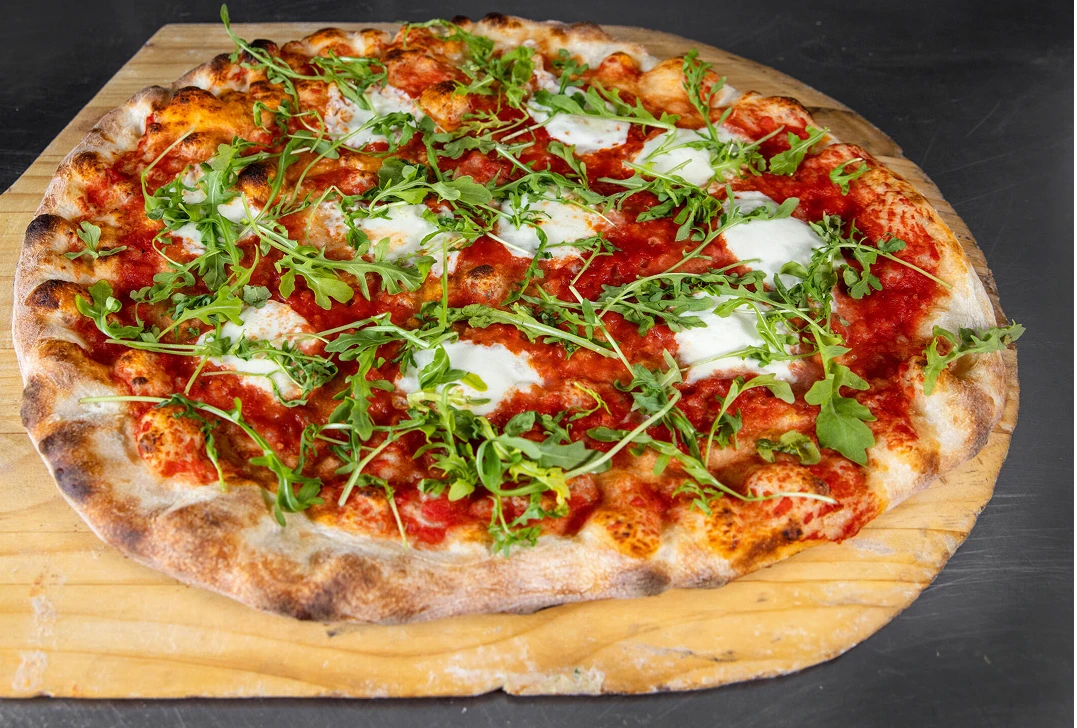

Ask ten serious pizza lovers what makes a memorable pie, and most will start naming toppings. Boulder tends to interrupt that habit. Here, a plain cheese pizza often becomes the real test. Not because people in town are uninterested in inventive food, far from it, but because Boulder diners have a way of stripping a dish down to its essentials and judging it on merit. A cheese pizza leaves nowhere to hide. Crust, sauce, cheese, heat, timing, balance. Every choice shows.
That simple equation helps explain why Cheese Pizza Boulder, Colorado has such staying power with locals, students, climbers, visiting parents, and the broader crowd that treats food as part pleasure, part craft. In a place known for natural beauty, high standards, and a population that can be both relaxed and exacting, cheese pizza has become more than a fallback order. It is a reliable comfort, a benchmark, and in the best shops, a small masterclass in restraint.
The town rewards food that does one thing exceptionally well
Boulder’s dining culture has always leaned toward quality over excess. Even at the casual end of the market, people notice ingredients. They care whether produce tastes fresh, whether dough has structure, whether a dish feels thoughtful rather than assembled. That instinct matters with pizza.
A loaded pizza can distract. Pepperoni brings spice and fat. Mushrooms add savor. Sausage can cover a flat sauce or an under-seasoned crust. Cheese pizza offers none of that camouflage. Cheese Pizza Boulder, Colorado If the tomato base is too sweet, people catch it in one bite. If the mozzarella breaks oily under heat, diners notice before the second slice. If the dough lacks fermentation, the whole pie reads as bland, no matter how pretty the blistering looks from across the room.
Boulder tends to reward restaurants that understand this. The shops that build loyal followings usually nail the plain pie first. Their regulars know it, too. Plenty of people who could order anything on the menu still come back to the same cheese pizza because it delivers with consistency. That matters in a town where people might stop in after a canyon ride one day, grab takeout for family movie night the next, and meet friends for a late lunch after a hike on the weekend. The order changes less than the occasion.
Simplicity makes craftsmanship visible
There is a reason cooks often judge a kitchen by its simplest dish. Scrambled eggs can expose technique. Roast chicken can reveal discipline. Cheese pizza works the same way.
The dough carries a huge share of the experience. In Boulder, where many diners are attentive to texture and freshness, a good crust needs to walk a narrow line. Too thin, and it can feel brittle or joyless. Too thick, and the cheese overwhelms the base before the slice reaches the plate. The best versions have enough chew to feel substantial, enough air in the rim to keep the bite light, and enough structure underneath to hold a hot layer of melted cheese without folding into steam-soft collapse.
Sauce matters just as much. A proper cheese pizza sauce is not pasta sauce ladled onto dough. It should taste bright, usually slightly acidic, with enough salt to anchor the dairy and enough restraint with herbs so the tomatoes still lead. In Boulder, where many restaurants source carefully and market freshness aggressively, diners have become good at tasting the difference between vivid tomato flavor and generic sweetness.
Then there is the cheese itself. This is where a lot of decent pizzas lose altitude. The wrong blend can make a pie greasy, rubbery, or strangely flat. The right one melts cleanly, browns in spots, and stretches without turning heavy. Some kitchens blend low-moisture mozzarella with fresh mozzarella for contrast. Some stay classic and let the crust and sauce speak louder. Either path can work, but the balance has to be earned in the oven.
Boulder’s audience is unusually educated about food, even when they act casual about it
One thing longtime restaurant people learn quickly in Boulder is that diners often know more than they let on. The person in trail shoes ordering a plain slice may have opinions about fermentation times. The family with kids may care deeply about whether the cheese tastes real rather than processed. The student grabbing two slices between classes might still reject a pie that tastes stale or reheated too hard.
That broad baseline of food literacy pushes pizzerias to sharpen their standards. Not every customer arrives ready to discuss hydration percentages or regional styles, but plenty can sense when a pie has integrity. They know when the crust was stretched with confidence rather than pressed flat in a hurry. They know when a pizza came out of the oven one minute too late. They know when a slice tastes balanced enough to finish and appealing enough to crave again tomorrow.
Cheese Pizza Boulder, Colorado becomes part of that conversation because it sits at the intersection of comfort food and culinary scrutiny. It is familiar enough for anyone. It is demanding enough for enthusiasts. Very few foods occupy both roles so neatly.
Altitude changes the game, and not every kitchen handles it well
Pizza in Boulder exists under a condition many outsiders underestimate: elevation. Boulder sits high enough that baking behaves differently. Water evaporates faster. Dough can ferment and dry in ways that surprise cooks used to lower elevations. Oven management, proofing times, and hydration become more than technical trivia. They affect whether a crust bakes up supple or tough.
A skilled pizza maker in Boulder learns to adjust constantly. Flour can shift with season and supplier. Humidity changes. Dough that behaved perfectly last Tuesday may need a different touch on a dry afternoon. These are not dramatic changes to a casual observer, but they show up on the plate. Sometimes the hallmark of a great neighborhood pizzeria is not that every Cheese Pizza Boulder, Colorado pie looks identical, but that the staff keeps the eating experience remarkably steady despite conditions that want to pull it off course.
That adaptive quality helps explain why regulars develop strong loyalties. When a place consistently turns out a satisfying cheese pizza in a mountain-adjacent climate, people recognize the work, even if they do not frame it that way. They just know the slice tastes right, week after week.
Cheese pizza fits Boulder’s rhythms better than trend food does
Boulder loves novelty, but it does not live on novelty. That distinction matters. A hot honey special or a pie with local peaches may draw attention for a month. A cheese pizza carries a restaurant through years.
Part of that is practicality. Cheese pizza suits almost every context. It works for a quick solo lunch. It works for feeding kids without negotiation. It works for office meetings, game nights, late study sessions, and low-key dinners after a day outside. In a town with a lot of active people, food that feels satisfying without becoming a production has a real advantage.
It also helps that cheese pizza wears differently across the day. At noon, it can feel clean and straightforward. At 9 p.m., it lands as comfort. The next morning, a cold slice can still be good if the dough and cheese were handled properly. That versatility keeps it in regular rotation.
People often talk about favorite foods as if craving were mysterious. With cheese pizza, the answer is usually concrete. It is dependable, shareable, and immediately gratifying. In Boulder, where schedules can swing from highly structured to wonderfully improvised, those qualities have unusual value.
The best pies respect restraint
A common mistake in pizza making is assuming more equals better. More cheese, more toppings, more garlic, more char, more sauce. Boulder’s stronger pizzerias usually resist that impulse, especially on a cheese pie.
A well-made cheese pizza should not sag under dairy. It should not drown in tomato. It should not ask the crust to perform miracles under unnecessary weight. Restraint sounds simple, but in practice it takes confidence. Many kitchens overbuild because they fear diners will not feel they received enough. Experienced pizza makers know the opposite can be true. A lighter hand often creates a more craveable result.
That is one reason cheese pizza draws repeat orders from serious eaters. It does not exhaust the palate. You can enjoy two slices and still feel the desire for a third. You notice contrast instead of monotony: the slight tang of sauce against the milkiness of mozzarella, the crisp edge beneath a soft center, the toasted flour note in the crust. Rich foods become more compelling when they retain some lift.
Boulder’s pizza landscape benefits from diverse influences
Another factor behind the staying power of cheese pizza in Boulder is that the city does not insist on one rigid pizza identity. You will find influences from New York, Neapolitan, New Haven, and broader American neighborhood styles, along with hybrids that make sense for local equipment and local tastes. For diners, that creates a small but meaningful education.
One shop may serve a foldable slice with a balanced low-moisture mozzarella finish and a crust designed for speed and consistency. Another may offer a softer, blistered pie with fresh cheese and a shorter bake. Someone might swear by a crisp, thinner crust that holds its shape all the way to the tip. Someone else will chase the tenderness and puff of a longer-fermented dough. Yet all of these can produce a strong cheese pizza if the proportions and bake are right.
That range keeps the category alive. If every cheese pizza in town tasted the same, interest would flatten. Instead, the plain pie becomes a way to compare styles without the distortion of toppings. It gives food lovers a common language. People can disagree honestly because they are discussing fundamentals, not just personal preferences about olives or sausage.
What regulars tend to notice in a standout cheese pizza
When people return to the same place for a plain pie, they are usually reacting to a cluster of details rather than one dramatic trait.
- A crust with both crispness and chew
- Sauce that tastes like tomato, not sugar
- Cheese coverage that feels generous without turning heavy
- Salt balance that makes the whole pie brighter
- Consistency from one visit to the next
These points sound basic because they are basic. That is exactly why they matter. Plenty of restaurants can get three of the five right on a good night. Fewer can hit all five regularly. The places that do earn repeat business that outlasts trends, student turnover, and neighborhood competition.
The emotional pull is stronger than many chefs admit
Restaurant people sometimes underrate nostalgia because they spend so much time discussing process. Customers do not. They remember how a food fits into their life.
Cheese pizza tends to attach itself to moments. A parent picking up dinner after a long workday. Friends splitting a pie after an afternoon in Chautauqua. A student eating two slices on a bench between classes and pretending not to be stressed about exams. A couple ordering delivery during the first snow of the season. None of these scenes are extraordinary, which is exactly the point. The plain pie returns because it belongs to ordinary life and improves it with very little ceremony.
In Boulder, where many residents invest real energy in health, performance, and ambitious schedules, there is also something appealing about a food that asks only for appetite. A cheese pizza can be discussed analytically, but it can also simply be enjoyed. That mix of intelligence and ease suits the town unusually well.
Price plays a role, but value matters more
Boulder is not a cheap place to eat. Anyone who dines out here regularly understands that quickly. Pizza benefits from being one of the few foods that can still feel accessible, especially when shared. Yet people are not just chasing the lowest price. They are judging value.
A high-quality cheese pizza can justify itself because diners can taste where the money went. Better flour, better tomato product, better cheese, better labor, better oven management. Not everyone will phrase it like that, but they understand the result. A pie that costs a few dollars more but eats cleanly, reheats well, and satisfies four people without disappointment often feels like a bargain compared with flashier restaurant meals that cost much more and deliver less comfort.
There is an edge case here, of course. Some shops overprice simplicity and lean too hard on atmosphere or branding. Boulder diners tend to catch that after one or two visits. A plain pie exposes inflated self-regard just as efficiently as it exposes weak technique. If the pizza is merely adequate, loyalty fades fast. If it is excellent, people keep coming back even when they know every new restaurant in town is trying to tempt them elsewhere.
The rise of ingredient awareness has helped the category
Over the last decade, more diners have paid attention to sourcing, dietary tolerance, flour quality, and how food makes them feel after eating it. Pizza does not always benefit from that scrutiny, especially when it is mass produced. But a thoughtfully made cheese pizza often does.
Because the ingredient list is short, improvements stand out. Better tomatoes taste clearer. Better mozzarella tastes less processed and leaves less grease behind. Dough made with patience tends to digest more comfortably for many people, even if no one should oversell that as a universal rule. In Boulder, where ingredient awareness is often part of everyday conversation, the humble plain pie gains credibility when it tastes honest and sits well.
This does not mean every good pizza must be ascetic or doctrinaire. Pizza should still be pleasurable. The stronger point is that pleasure and care no longer sit on opposite sides of the table. Boulder diners expect both when possible, and cheese pizza is one of the clearest formats for delivering them together.
Why visitors often underestimate the plain pie
Tourists sometimes arrive expecting Boulder food to be all health bowls, coffee, and polished farm-driven menus. Then they try the local pizza scene and realize the city’s standards apply just as much to comfort food. Visitors who order a cheese pizza almost as an afterthought can come away surprised by how seriously the dish is taken.
That surprise is healthy for a food culture. It reminds people that excellence does not always announce itself through complexity. A great bowl of noodles, a superb taco, or an excellent plain pie can carry as much craft as a more expensive plate. Boulder, at its best, understands that.
For people traveling through, there is also a practical discovery here. Cheese pizza is one of the easiest ways to read a local market quickly. If a town can support multiple shops that each care about the fundamentals of a plain pie, that says something good about its diners and its cooks. Boulder passes that test more often than outsiders expect.
The repeat visit factor comes down to trust
Restaurants spend a lot trying to create buzz. Repeat business comes from trust. With pizza, and especially with cheese pizza, trust is built one slice at a time.
Customers trust that the pie will arrive hot and properly baked. They trust the crust will have life in it. They trust the cheese will taste like cheese and not just melted salt. They trust a familiar order will still satisfy whether they are eating in, carrying out, or opening the box at home fifteen minutes later. That trust may sound modest, but in the restaurant business it is gold.
Boulder foodies come back for many reasons, including curiosity and variety. They keep returning to cheese pizza because it satisfies a different need. It is the rare dish that can be both benchmark and comfort, technical object and easy pleasure, local habit and universal craving. In a city that values skill but has little patience for gimmicks, that combination keeps winning.
The beauty of Cheese Pizza Boulder, Colorado is that it never needs to overstate itself. It only needs to be good, genuinely good, often enough that people begin to arrange their week around it. That is how a simple pie becomes part of a place.
Brooklyn Pizza
Address: 1647 Arapahoe Ave, Boulder, CO 80302
Phone number: +17203282324
FAQ About Cheese Pizza Boulder, Colorado
What is usually on a cheese pizza?
A standard cheese pizza consists of a yeast dough crust, a seasoned tomato-based sauce, and melted mozzarella cheese.
What is a cheese pizza called?
A basic cheese pizza is simply called a cheese pizza, a plain pizza, or a plain pie.
What is the best recipe for cheese pizza?
The best cheese pizza recipe uses high-heat baking, a simple raw tomato sauce, and a mix of low-moisture and fresh mozzarella cheese on a homemade yeast dough.